
Where can I see the Big Five in Tanzania?
The term "Big 5" refers to five iconic African wildlife species: lion, elephant, buffalo, leopard and rhino. Tanzania is one of the best places in Africa to watch these majestic animals in their natural habitat.
Originally, the term "Big Five" referred to a group of five large game animals considered the most difficult to hunt on foot in Africa. These animals are:
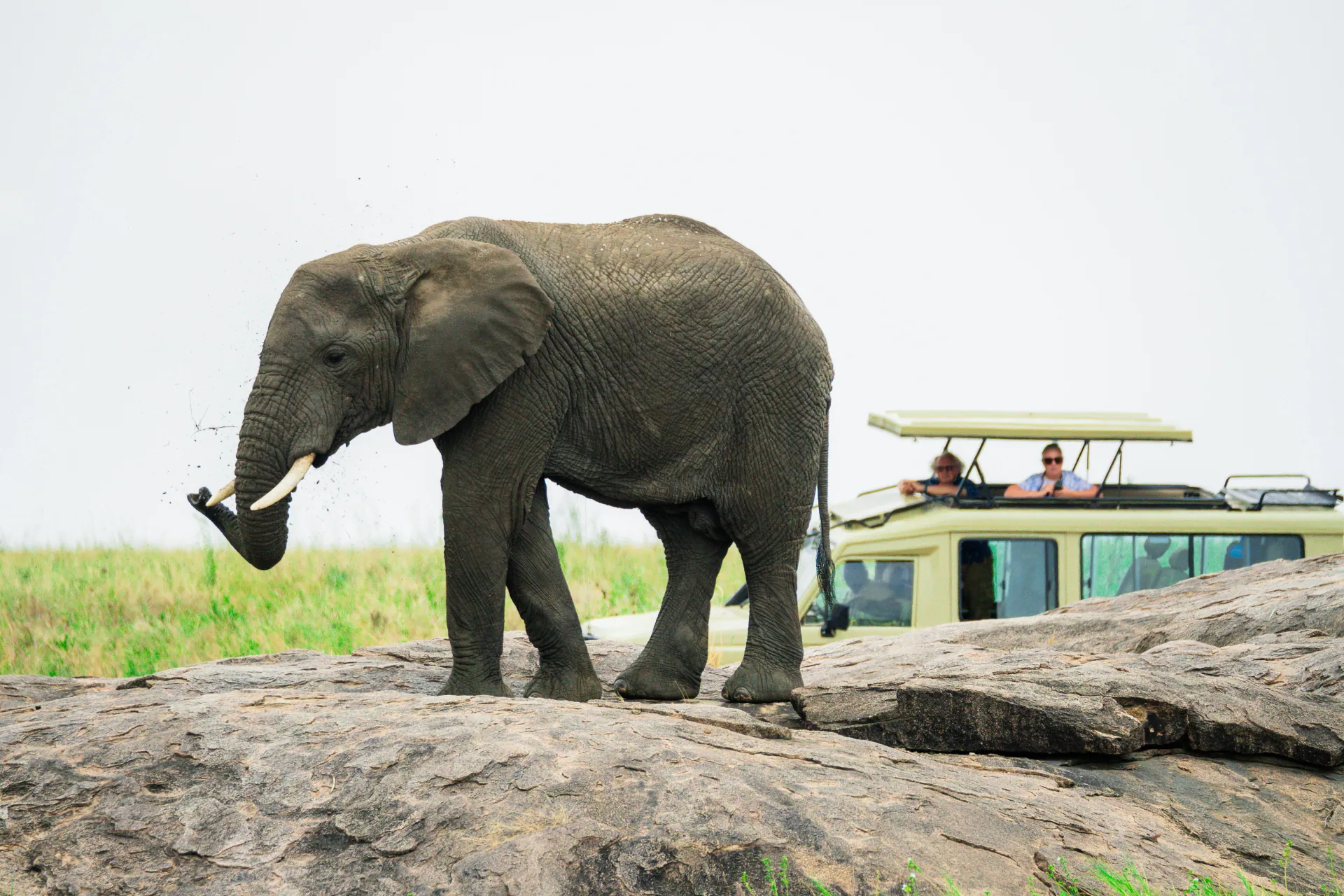
- African elephant (Loxodonta africana): The largest land mammal, known for its impressive size and tusks.
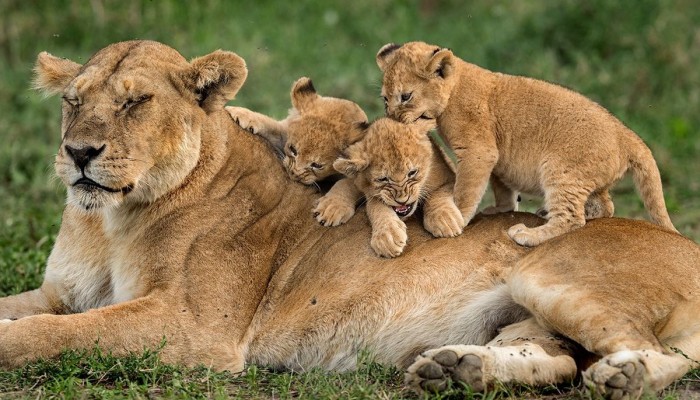
- African lion (Panthera leo): One of the most iconic big cats, known for the majestic mane of the males.
- African leopard (Panthera pardus): A large, elusive spotted cat known for its ability to adapt to diverse habitats.
- African buffalo (Syncerus caffer): Also known as the Cape buffalo, it's a formidable and sometimes unpredictable herbivore.
- Rhinoceros (either the white rhino - Ceratotherium simum - or the black rhino - Diceros bicornis): Both rhino species are part of the Big Five. They're known for their horned snouts and, sadly, are endangered due to poaching.
Today, these animals are the focus of wildlife conservation efforts, and people go on safari to observe them in their natural habitat rather than hunt them. The term "Big Five" has evolved to represent the most popular wildlife tourists can see on African safaris.
The Big 5 can be seen in Tanzania at the following places and general times:
- Serengeti National Park:
- Best time: The Serengeti offers excellent wildlife viewing year-round, but the best time for the Big 5 is during the dry season, from late June to October, when animals gather near water sources.
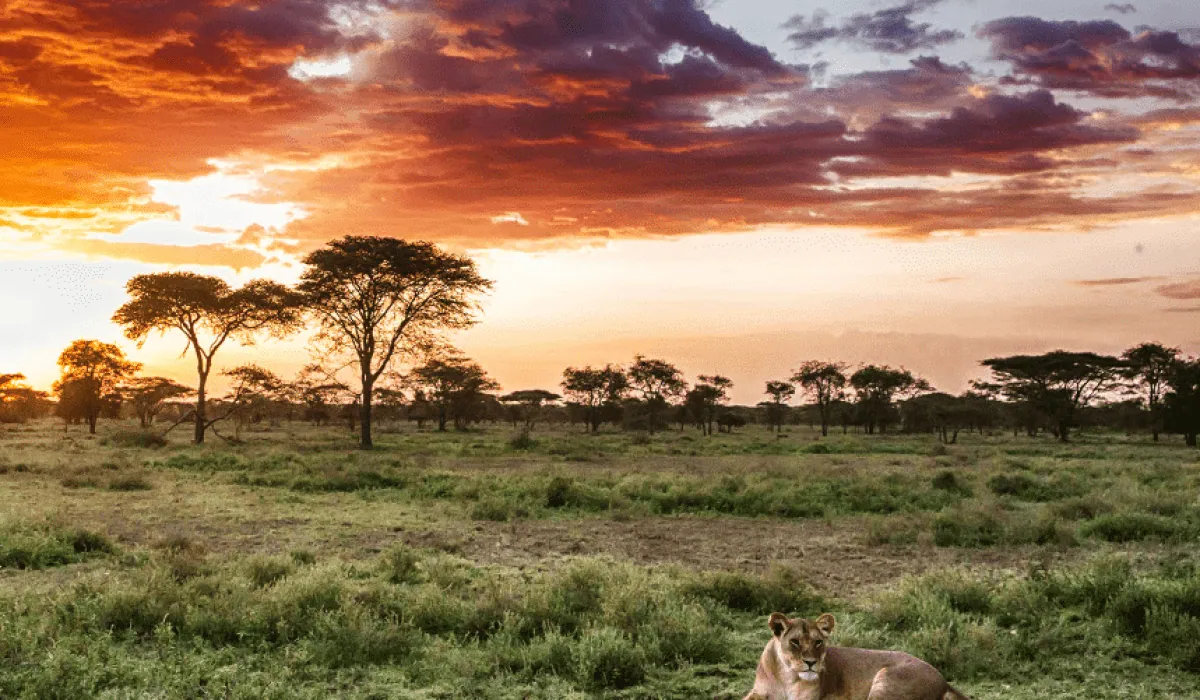
- Location: Located in northern Tanzania, the Serengeti is easily accessible and is often combined with visits to the Ngorongoro Conservation Area.
- Ngorongoro Conservation Area:
- Best time: Like the Serengeti, the dry season is ideal for wildlife viewing, but the Ngorongoro Crater can be visited year-round.
- Location: The Ngorongoro Conservation Area is located near the Serengeti and is a UNESCO World Heritage Site.
- Tarangire National Park:
- Best time: The dry season (June to October) is excellent for spotting animals, as they gather around the Tarangire River.
- Location: Located in northern Tanzania, Tarangire is known for its large elephant population.
- Selous Game Reserve:
- Best time: The dry season (June to October) is preferable for wildlife viewing.
- Location: Selous is in southern Tanzania and less crowded than the northern parks.
- Ruaha National Park:
- Best time: The dry season (June to October) is optimal for wildlife viewing.
- Location: Located in central Tanzania, Ruaha is the country's largest national park.
- Lake Manyara National Park:
- Best time: Year-round, but the dry season is the most popular.
- Location: Close to the town of Arusha, this park is known for its diverse ecosystems.
Important tips:
- Consider migration patterns: The Great Migration in the Serengeti is a spectacular event that typically takes place from November to July.
- Book your safari tours with experienced guides and trusted tour operators.
- Wildlife viewing is usually best in the early morning and late afternoon.
- Respect the wildlife and follow ethical safari practices.
- Remember that animal behavior can be unpredictable, and seeing all members of the Big 5 on every safari is not guaranteed. That said, Tanzania's diverse and rich ecosystems offer a high probability of encountering these incredible animals.