
Yes, Tanzania is a safe destination for travel and safaris. It is one of the most stable and peaceful countries in East Africa, welcomes over a million tourists a year, and the vast majority return home without the slightest problem. That said, "safe" doesn't mean "no precautions": as with any trip, it pays to know where you are, what to avoid, and how to get around. This guide gives you the honest picture, neither minimizing nor exaggerating the risks.
The short answer (and the nuances)
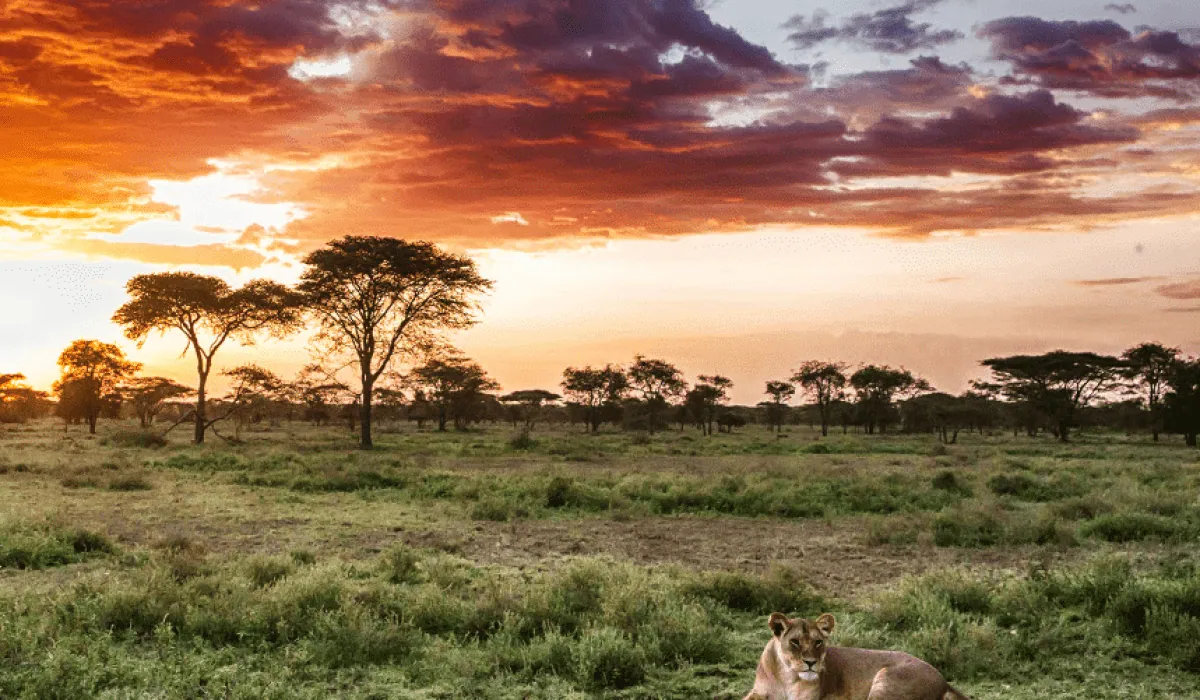
Most trips to Tanzania take place in two environments: the northern national parks (Serengeti, Ngorongoro, Tarangire, Manyara) and the island of Zanzibar. Both are well-established tourist areas with infrastructure built to host visitors, where violent crime against tourists is very rare. The main risk you'll face isn't the wildlife or insecurity: it's petty theft in specific urban areas and health matters (above all malaria), which common sense keeps in check.
Spain's Ministry of Foreign Affairs classifies most of the country, including the safari circuits and Zanzibar, as a destination you can visit with normal precautions. It does recommend avoiding the border areas with Mozambique (Mtwara region, in the far south) and exercising extra caution in specific neighborhoods of the big cities. None of those areas is part of a classic northern-circuit safari.
Safety levels by area
| Area | Level | What to keep in mind |
|---|---|---|
| Northern parks (Serengeti, Ngorongoro, Tarangire, Manyara) | Very safe | Always with a guide and vehicle. Risk practically nil. |
| Arusha (safari hub) | Safe with caution | Avoid walking at night with valuables on display. |
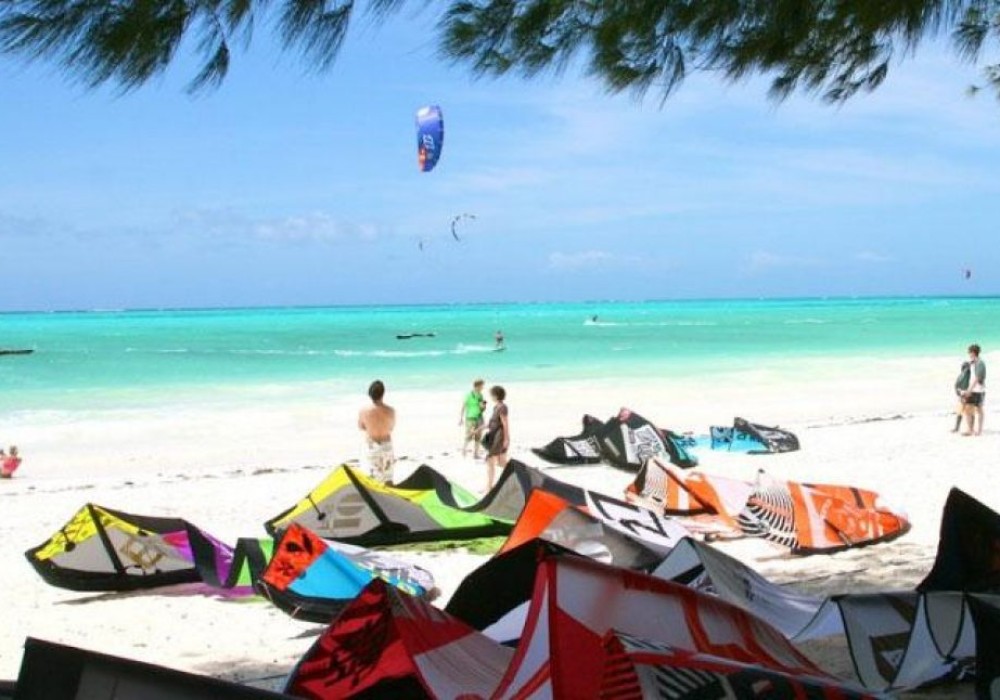
| Zanzibar (Nungwi, Paje, Kendwa, resorts) | Very safe | Respect local culture; mind the surf on some beaches. |
| Stone Town (historic quarter) | Safe with caution | Theft in alleys at night. Better accompanied. |
| Dar es Salaam (economic capital) | Caution | Usually just a transit point. Avoid non-tourist areas. |
| Southern border with Mozambique (Mtwara) | Avoid | Off any tourist route. Not visited on a safari. |
Safety on safari: the most controlled environment of all
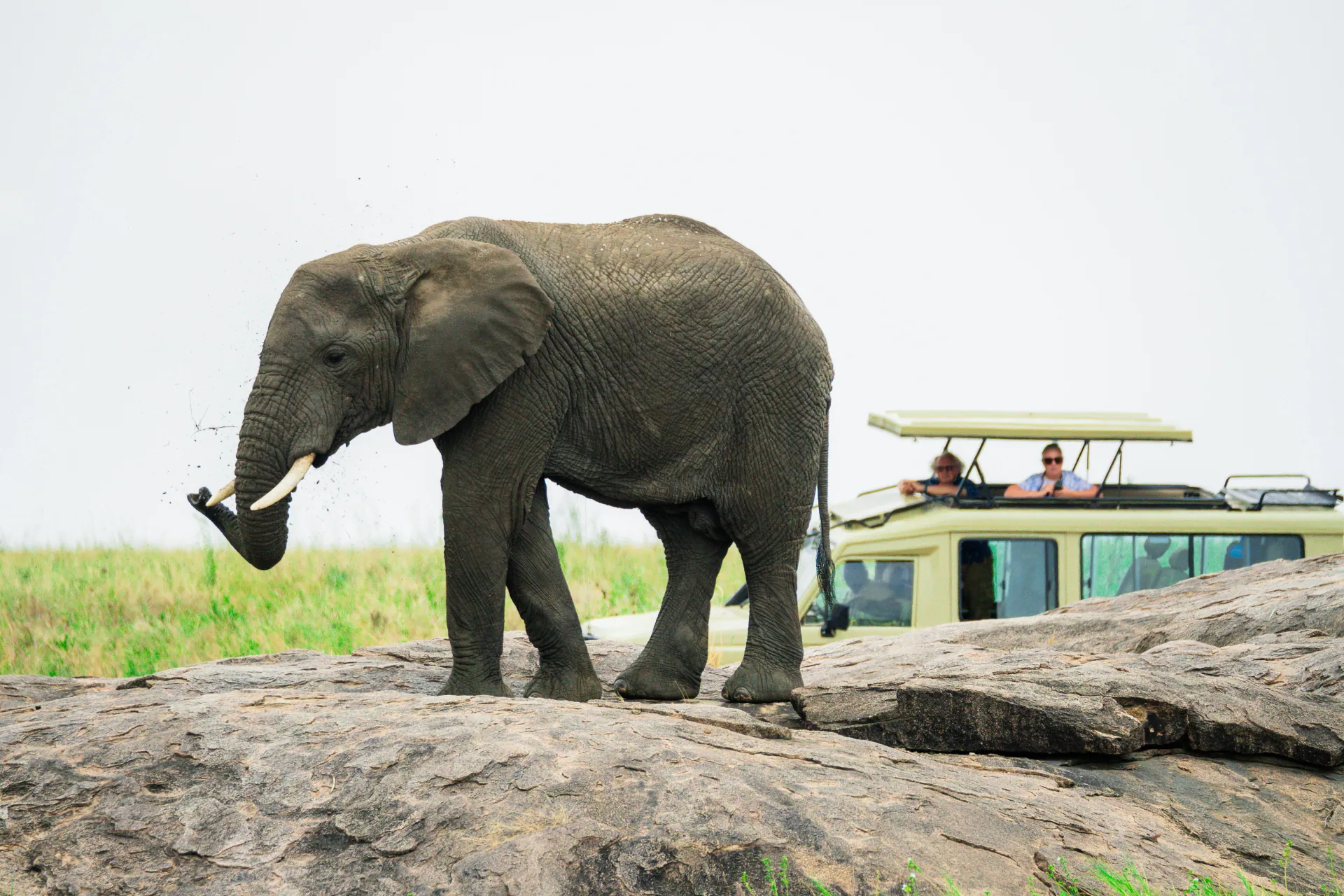
Many people ask whether it's dangerous to be so close to lions, elephants or buffalo. The reality is that the safari is probably the safest part of the entire trip. Here's why:
- You're always with a professional guide. Our guides have spent years driving in the Serengeti and know the behavior of every species. They know how far to stop and when to stay still.
- The animals are used to the vehicle. To the wildlife, the 4x4 is just another part of the landscape, neither prey nor threat. That's why you can get close without altering their behavior.
- There are clear rules inside the park. You don't leave the vehicle except in designated areas, you don't feed the animals, and you keep your distance. Following the guide eliminates almost all risk.
- Camps and lodges have protocols. At night, staff escort guests between tents and common areas in unfenced camps. It's part of the experience and perfectly organized.
In over a decade organizing safaris, serious wildlife incidents among our travelers number zero. Respecting the rules works.
Safety in the cities: where you do need to pay attention
Where you should stay alert is in urban settings, just as you would in any large city in the world. The crime you might encounter is opportunistic: bag snatching, phone or wallet theft in markets and crowded areas. Specific tips:
- Don't flash your phone, expensive camera or jewelry while walking, especially in Arusha, Dar es Salaam and Stone Town.
- Avoid walking at night in poorly lit or non-tourist areas. For night transfers, use a taxi or the transport your accommodation arranges.
- Carry only the day's cash and a copy of your passport; keep the original and most of your money in the hotel safe.
- Be wary of anyone offering to be a "spontaneous guide" on the street or pressuring you to buy tours. Always book through your agency.
Is it safe for solo female travelers?
Yes, Tanzania is a feasible and popular destination for women traveling alone, especially within an organized safari where you're never truly "alone": you're accompanied by a guide and often a small group. The precautions are the same as for any international trip: dress modestly (especially in Zanzibar, which is majority Muslim), avoid solo night travel and trust your instincts. Many of our travelers come solo or in groups of friends and the experience is usually excellent.
Is it safe to travel with children?
Tanzania is a wonderful family destination and, well planned, completely safe for little ones. The keys are adapting the pace (shorter game-drive days), choosing family-minded accommodation, and bringing the right prophylaxis and repellents. We cover it on our family and friends safari page.
Health: the "risk" most worth preparing for
Let's be clear: the health factor that deserves the most attention in Tanzania isn't any animal, it's the mosquito. Malaria is present in areas below 1,500 meters, and although the risk for a careful tourist is low, it's worth preventing with prophylaxis and repellent. It's no reason not to travel —people travel perfectly normally— it simply needs to be prepared well. You'll find all the details on vaccines, prophylaxis and insurance in our guide on vaccines, visa and insurance for Tanzania.
Practical tips for a trouble-free trip
- Book with a trusted local operator. A good guide and good logistics are your best insurance. Avoid suspicious bargains from operators with no reputation.
- Get travel insurance with broad medical coverage including evacuation. It's cheap compared with how useful it is.
- Listen to your guide. Inside the park, their instructions aren't suggestions: they're what keeps the experience safe.
- Protect yourself from mosquitoes at dusk: long sleeves, DEET repellent and the prophylaxis your doctor recommends.
- Always drink bottled water and be careful with ice and salads outside trusted accommodation.
- Keep digital copies of your passport, visa and insurance in your email or phone.
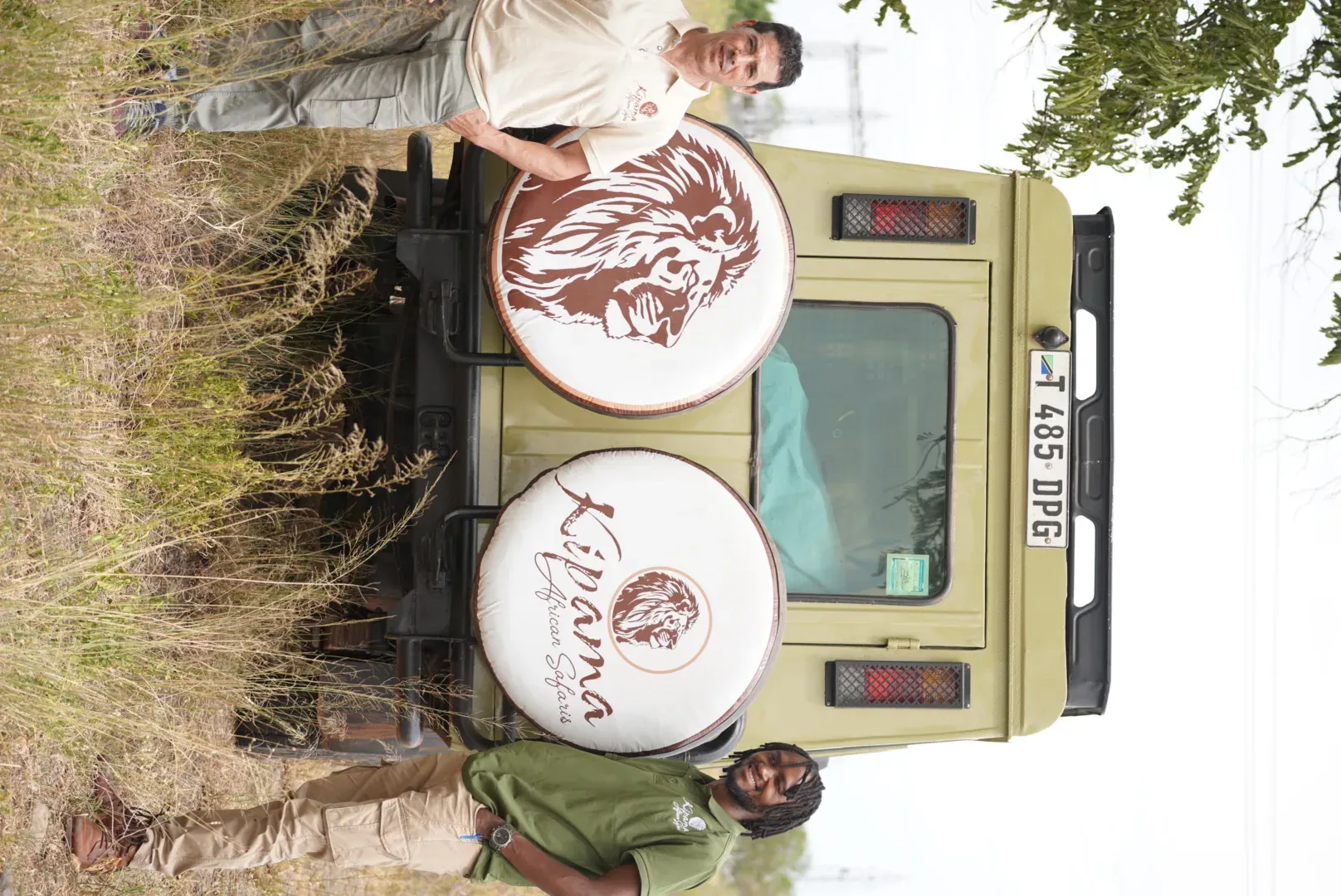
"In twelve years guiding through northern Tanzania, what our travelers repeat most on the way back is the same thing: they expected a far more complicated destination than it turned out to be. With common sense and a good team behind you, Tanzania is enjoyed without stress." — Paul, Kipama guide
In summary
Tanzania is safe for the traveler who respects it: a welcoming country, with some of the most spectacular nature on the planet and people known for their hospitality. The real risks are limited and predictable —opportunistic city theft and malaria— and are managed with the same precautions you'd apply on any international trip. If you'd like, at Kipama we'll answer your specific questions before you book and design the most comfortable route for your profile.
Ready to take the step? Take a look at our Tanzania safaris —from the 4-day budget safari to the 8-day classic safari— or first check what to pack for a safari and our FAQ. And if you're sure, request your tailor-made safari with no obligation.