
THE WEATHER IN TANZANIA
Tanzania sits very close to the equator; as a result, its climate is fairly stable, with a comfortable, well-balanced temperature. Temperatures never reach extremes of heat or cold. The average annual temperature ranges from +25°C in the south of the country to +27°C in the north.
It's worth noting that on Kilimanjaro and in places like the Ngorongoro Crater, the temperature sometimes drops below zero, especially at night. You'll need warm clothing for a safari in the Ngorongoro Crater or for trekking. Many people try to avoid the rainy seasons in Tanzania, which occur between March and May (long rains) and between late October and the first half of December (short rains). Interestingly, the weather in Tanzania in December is both hot and humid, offering a very warm tropical safari experience. The rainy season is marked by heavy rainfall, although there are typically sunny periods every day. The table below gives a rough annual estimate:
Average annual rainfall (mm) in Tanzania:
| Month | Rainfall (mm) |
|---|---|
| January | 49 |
| February | 30 |
| March | 85 |
| April | 153 |
| May | 126 |
| June | 32 |
| July | 13 |
| August | 18 |
| September | 21 |
| October | 48 |
| November | 132 |
| December | 75 |
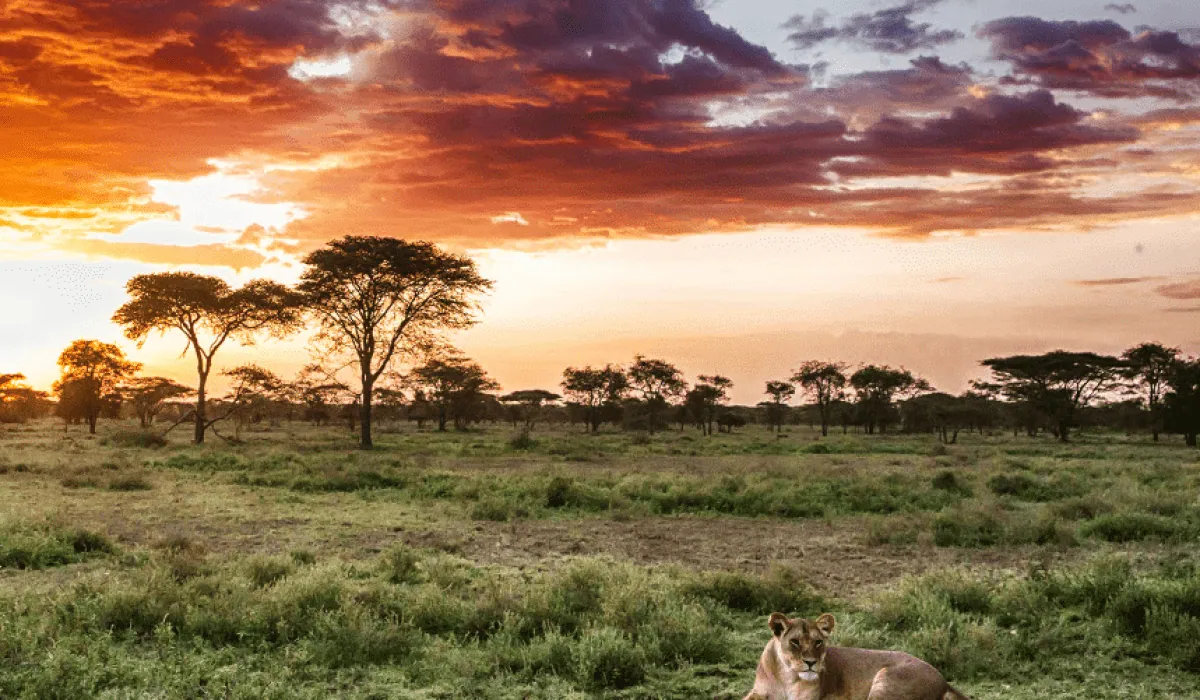
Although many travelers try to avoid Tanzania's rainy season when planning their safaris, it's interesting to note that all the major TV networks, such as Discovery and National Geographic, choose this season to film their stories. That's because during the rainy season local nature is at its most colorful, the grass is lush green and, most importantly, there are very few tourist groups, making it easier to capture high-quality photos. So what are the advantages of a safari during Tanzania's rainy season?
The dry season in Tanzania guarantees sunshine, but also dust. Travelers visiting Tanzania during the dry months should expect heat and dust, especially when driving on unpaved roads. Most of the dust is kicked up by safari jeeps passing by. The rainy season, on the other hand, is practically dust-free.
Another advantage of traveling during the rainy season is the lower cost of accommodation and safaris. Lodging is one of the main factors driving up the price of safari tours in Tanzania, but during the low season, when it rains, prices drop, letting you save a significant amount of money while still enjoying the comfort of great hotels.
We can only think of one disadvantage to the low season: due to poor road conditions, the most remote parts of Serengeti National Park are inaccessible. However, those areas are also rarely visited during the high season because of their remoteness. During the rainy season, many hotels in Tanzania close for annual maintenance, especially in Zanzibar; even so, we work with select hotels that operate year-round.